AI MVP development services should prove the product behaviour before a team scales spend, data access, or automation scope.
A practical AI MVP needs a workflow, model boundary, evaluation path, release plan, and one measurable adoption signal.

Solvrz Team
Solvrz
Challenge
Teams often move from AI idea to full build before proving the user workflow, data readiness, model boundary, or evaluation criteria.
Approach
Scope the AI MVP around one job-to-be-done, one model role, one review model, and one launch metric.
Outcome Focus
Create a product-quality AI MVP that can be tested with real users before scaling engineering, data, or operating risk.
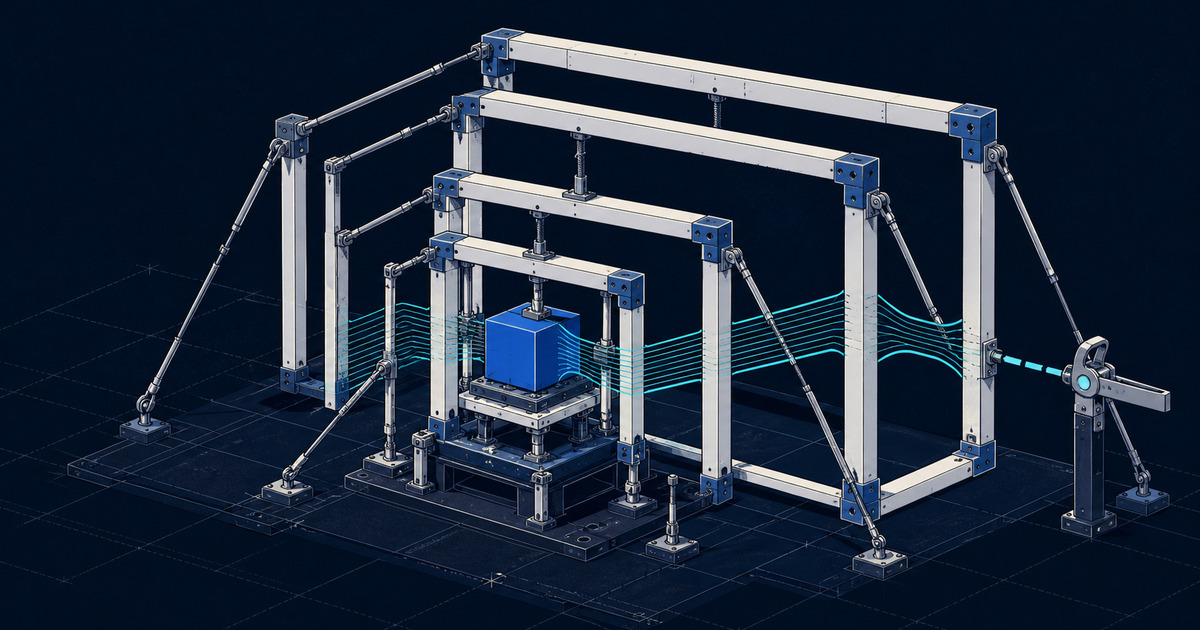
AI MVP development services are useful when a team has moved beyond curiosity but is not ready to scale a full AI product. The goal is not to build every feature. The goal is to prove the product behaviour that matters most.
Solvrz approaches AI MVP development services as product engineering with a clear test boundary. A good AI MVP should answer one question: can this AI capability support a real user workflow with enough quality, trust, and operational clarity to justify the next build stage?
Challenge: AI Ideas Get Overbuilt Before They Are Proven
Many AI projects start with a demo. The demo may summarise a document, answer a question, classify a lead, or generate a draft. That is useful evidence, but it is not yet a product.
The risk appears when teams treat the demo as proof that the full product is ready. Real users bring inconsistent inputs, missing context, edge cases, permission issues, and quality expectations. The AI layer also needs a surrounding product system: UX, state, integrations, review, logging, analytics, and release ownership.
This is where custom AI MVP development services create leverage. The work should reduce uncertainty before the team commits to a larger build. It should make the product question smaller, sharper, and measurable.
Approach: Scope The MVP Around One Product Behaviour
The first useful decision is what the MVP must prove. Avoid broad briefs like "build an AI assistant" or "automate operations." Instead, define the job.
A practical AI MVP brief should include:
- User: who will use the product first.
- Workflow: what task the product supports.
- Data: which documents, records, or systems the AI needs.
- AI role: extraction, classification, generation, routing, search, or decision support.
- Review: who checks the output and what happens when quality is low.
- Evaluation: how good output will be measured.
- Launch signal: the first metric that shows the MVP is worth continuing.
For example, an AI MVP for document review might only support one document type and one reviewer role. An AI support assistant might only answer from one approved knowledge base. An operations workflow might only classify and route one type of request.
This narrowness is not a weakness. It is how the team gets usable evidence.
Outcome: Build Something Small Enough To Measure
An AI MVP should leave the team with a working product increment and a decision. The decision might be to scale, narrow, rebuild the data layer, add review controls, or stop.
The most useful MVP outputs are:
- A clickable workflow or working internal tool.
- A documented model, retrieval, or rules architecture.
- Evaluation criteria and sample test cases.
- Human review and escalation rules.
- Basic analytics for usage, quality, exceptions, and correction rate.
- A next-stage roadmap based on evidence from the first release.
This is different from a prototype. A prototype tests whether a behaviour might work. An MVP tests whether the behaviour can fit into a product workflow with real constraints.
Evidence: AI MVP Readiness Checklist
Use this checklist before committing to a custom AI MVP development company or build partner.
| Readiness area | Question to answer |
|---|---|
| User | Who is the first user and what task do they complete? |
| Data | What source data is available, permissioned, and reliable enough for the first test? |
| AI role | What should AI do, and what should deterministic rules still own? |
| Quality | What does a good, bad, and risky output look like? |
| Review | Who approves, edits, rejects, or escalates AI output? |
| Measurement | Which metric proves the MVP is useful enough to continue? |
| Ownership | Who maintains prompts, rules, data, analytics, and user feedback after launch? |
If the team cannot answer these questions, it probably needs discovery before MVP build. If the answers are clear, the next step is to turn them into a product architecture and sprint plan.
Related
For workflow-heavy automation, see AI automation sprint for enterprise workflows. For language-intensive products, see generative AI development and RAG system development.
{
  "@type": "FAQPage",
  "mainEntity": [
    {
      "@type": "Question",
      "name": "What are AI MVP development services?",
      "acceptedAnswer": {
        "@type": "Answer",
        "text": "AI MVP development services help teams turn an AI product idea into a scoped, testable product build. The work usually covers workflow design, model or retrieval architecture, UX, evaluation criteria, review controls, analytics, and launch planning."
      }
    },
    {
      "@type": "Question",
      "name": "What should be included in an AI MVP?",
      "acceptedAnswer": {
        "@type": "Answer",
        "text": "An AI MVP should include the core user workflow, AI integration, data access pattern, human review path, quality evaluation, and a measurable adoption or performance signal. It should be small enough to test and complete enough to learn from real use."
      }
    },
    {
      "@type": "Question",
      "name": "How is an AI MVP different from an AI prototype?",
      "acceptedAnswer": {
        "@type": "Answer",
        "text": "An AI prototype tests whether a behaviour can work. An AI MVP tests whether that behaviour can fit into a product workflow with users, data, review, analytics, and release ownership."
      }
    }
  ]
}
Evidence Snapshot
- An AI MVP brief should define the user workflow, source data, AI role, unacceptable failure cases, and first measurable outcome.
- Evaluation criteria should be part of the MVP scope, not an afterthought once the first demo is complete.
- Human review, analytics, and release ownership help distinguish a usable MVP from a fragile prototype.
Connected Reading
Follow the related product path
Keep reading
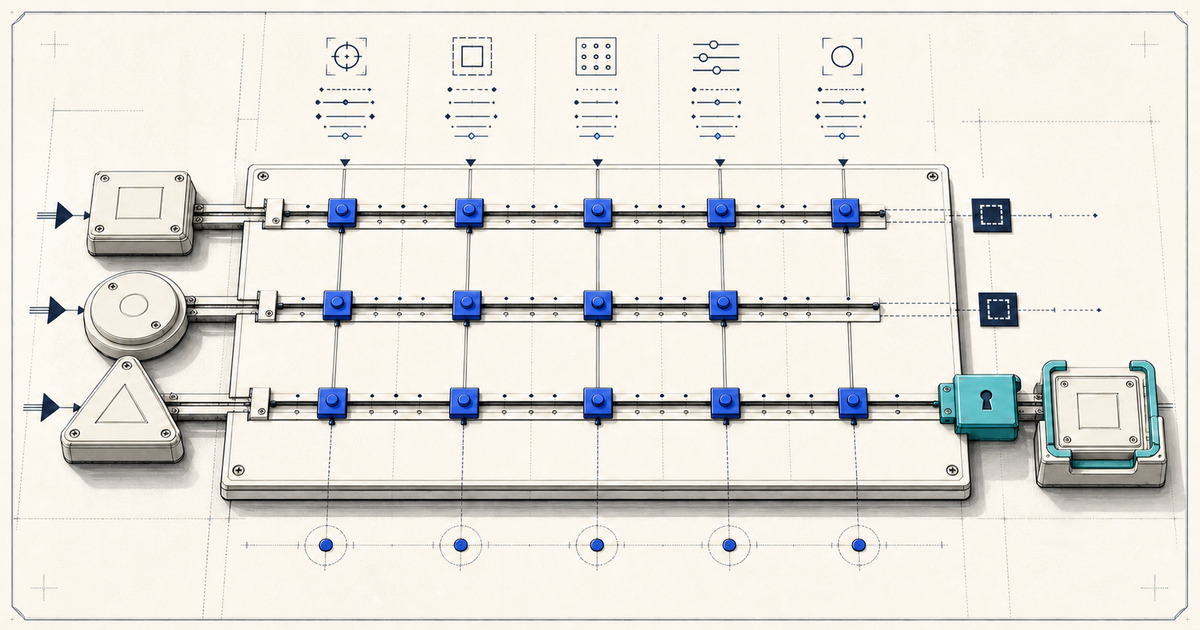
AI MVP Development Company: How To Choose A Build Partner
A practical guide to choosing an AI MVP development company: the evaluation criteria, questions, and red flags that separate a product build partner from a demo shop.
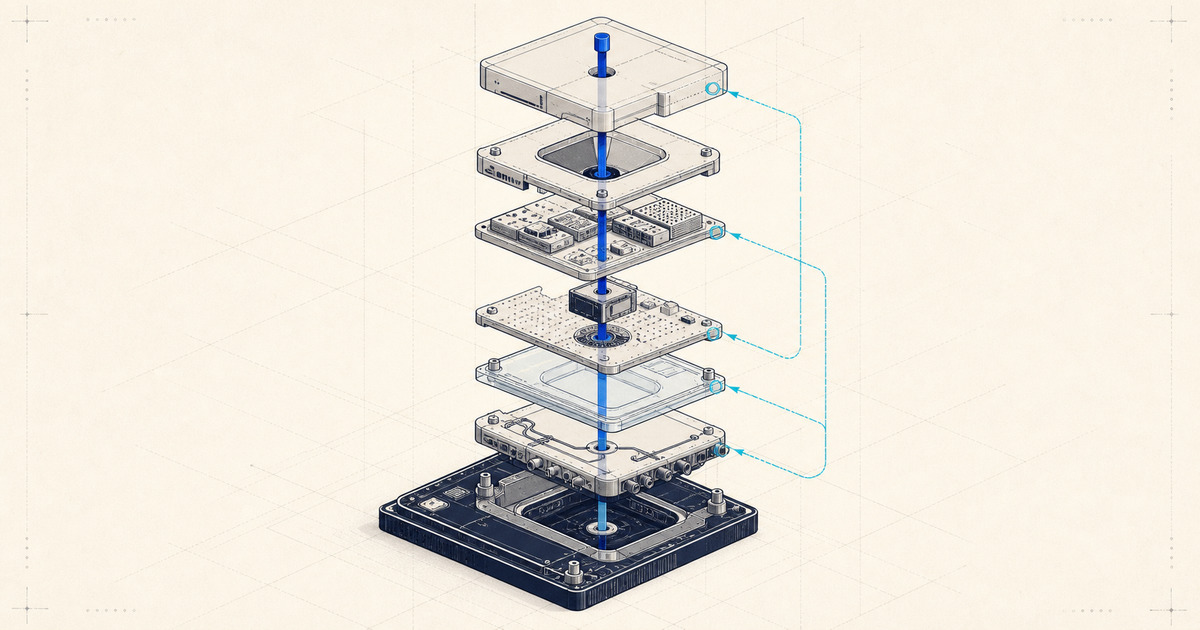
AI Development Services: What You Actually Need Before Building An AI Product
A practical framework for choosing AI development services before building an AI product, SaaS MVP, or custom AI workflow system.