Hybrid AI only works when operators can trust the handoff.
Pure rules break at the edge. Pure AI is hard to audit. Venture-grade automation needs a controlled system where rules, models, and human review each do the job they are best suited for.
Challenge
Enterprises need automation that is both adaptable and auditable.
Approach
Combine deterministic workflow rules with adaptive AI models and a clear handoff router.
Outcome Focus
Create automation products that improve coverage without sacrificing explainability and operational trust.

Most organisations face a false choice in enterprise automation: keep rigid rule-based workflows that break when the process changes, or adopt AI-first systems that operators cannot fully explain or defend.
The useful path is neither extreme. It is a hybrid AI product architecture that knows when to follow deterministic rules, when to ask a model for help, and when to return control to a human operator.
Attention: The Automation Gap
Rule-based automation excels at repeatable, well-defined tasks. But the moment an exception appears -- a new vendor format, an edge-case approval chain -- the whole pipeline stalls and requires manual intervention.
Conversely, fully autonomous AI systems can handle ambiguity, but they lack the auditability and deterministic guarantees that regulated industries demand. A decision that cannot be explained is a decision that cannot be defended.
Interest: Why Hybrid AI Needs a Router
At Solvrz, our internal AI operations research tests a practical thesis: serious automation products need a hybrid architecture with deterministic rules for stable workflows, adaptive AI for ambiguous work, and operator control where the system should not decide alone.
The key product idea is handoff orchestration: knowing when to route a task from a rule engine to an AI model and when to return it to a human operator. A task router can learn from corrections over time, tightening the boundary between automation and judgment.
Desire: What a Venture-Grade System Looks Like
Many teams lack the engineering bandwidth to replace their operational systems. Venture-grade automation therefore has to sit alongside existing ERP, CRM, and data sources. The hybrid layer should integrate with what already works instead of forcing a platform reset before value is visible.
For founders and enterprise teams, this changes the product brief. The question is not "Can AI do this task?" The better question is "Which parts of this workflow deserve deterministic rules, which parts need adaptive assistance, and which decisions require human accountability?"
Action: Build for Trust Before Scale
Hybrid AI is not a compromise. It is the most practical path to automation that is both intelligent and trustworthy. For a venture studio, that matters because the product has to survive contact with real operators, existing systems, audit requirements, and unclear edge cases.
Start with the handoff map before the model choice. If the routing logic is unclear, the automation product will struggle no matter how capable the AI layer becomes.
Evidence Snapshot
- Rule-based systems handle stable workflows while AI handles edge-case ambiguity.
- Task routing learns from operator corrections to improve future automation boundaries.
- Connector-based integration allows adoption without replacing existing ERP or CRM systems.
Connected Reading
Follow the related product path
Keep reading
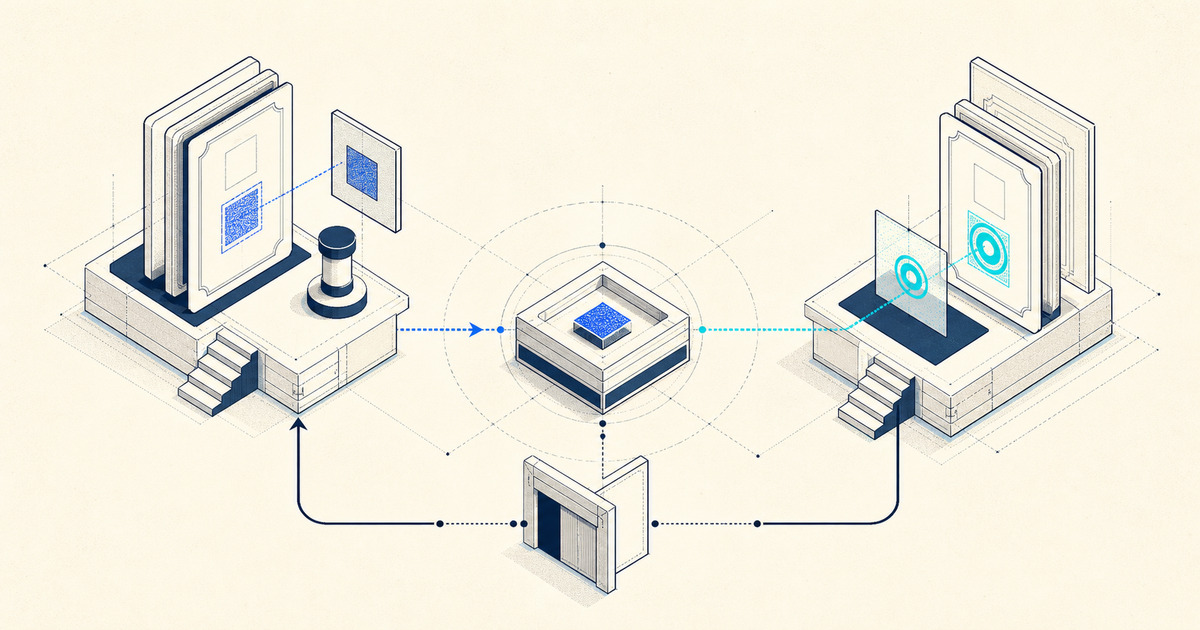
Credential Verification as a Digital Trust Venture
Credential verification is a digital trust problem. On-chain proofs and issuer workflows can make credential verification faster and more reliable.
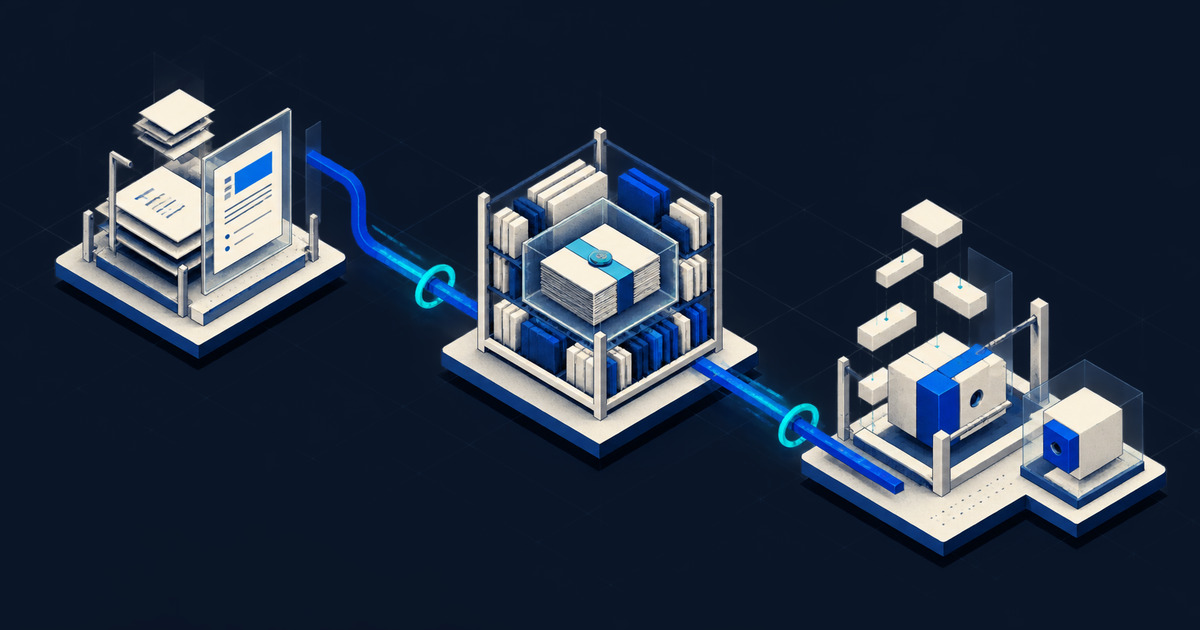
Building a Remote-First Venture Studio Operating Model
Solvrz uses written venture briefs, async decision records, and weekly build increments to keep distributed product work disciplined without a shared office.